BATALEON · Disaster+ Snowboard
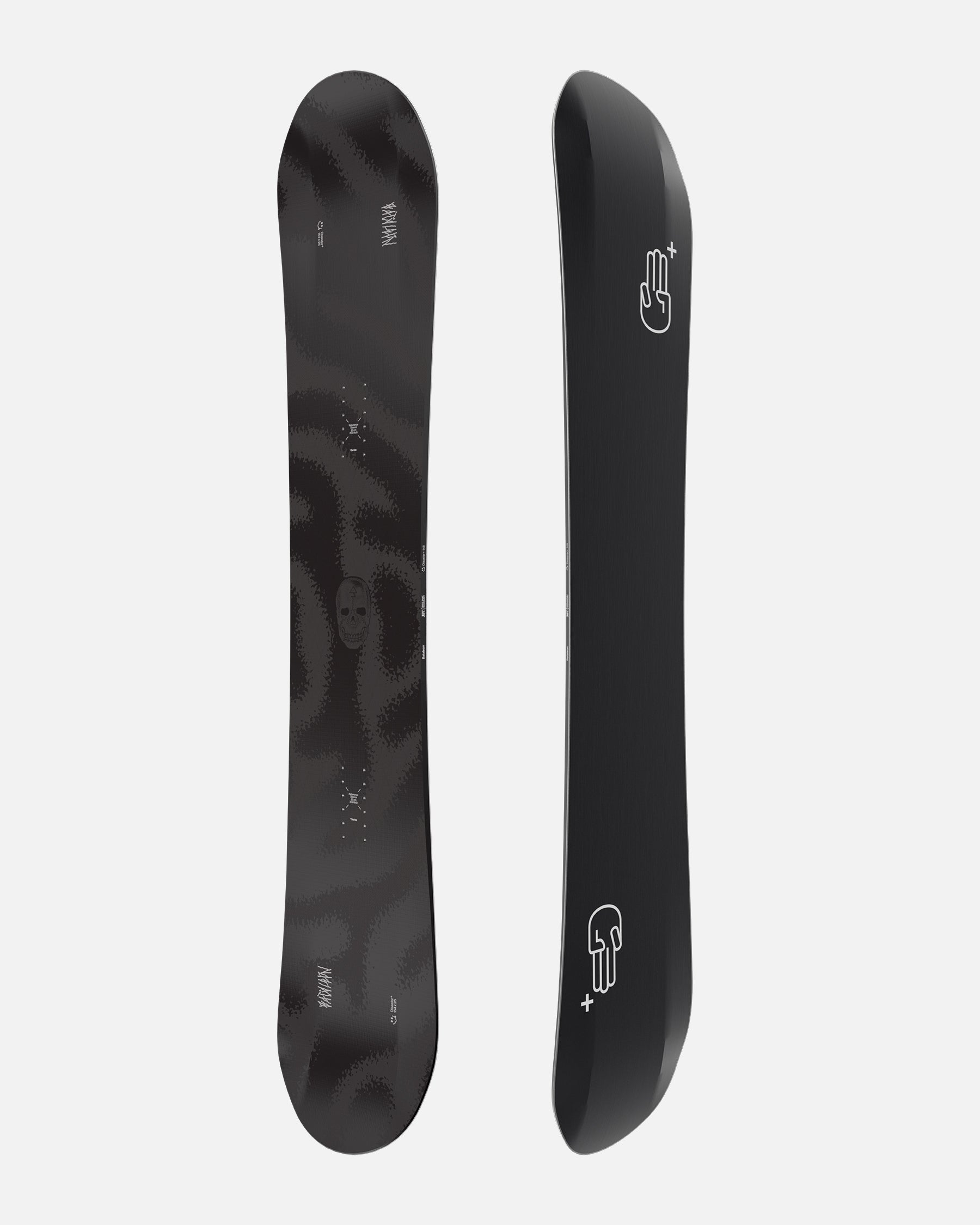
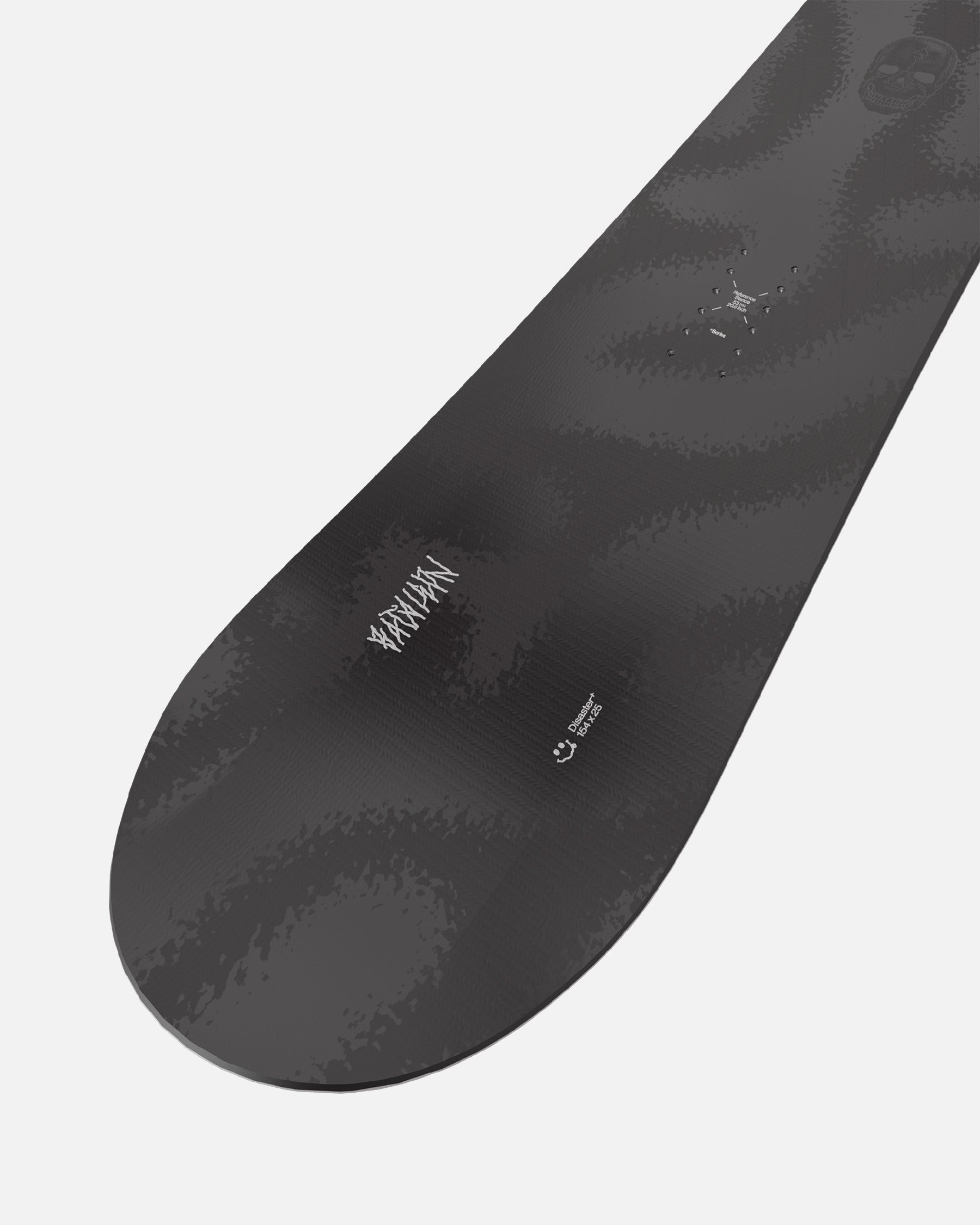
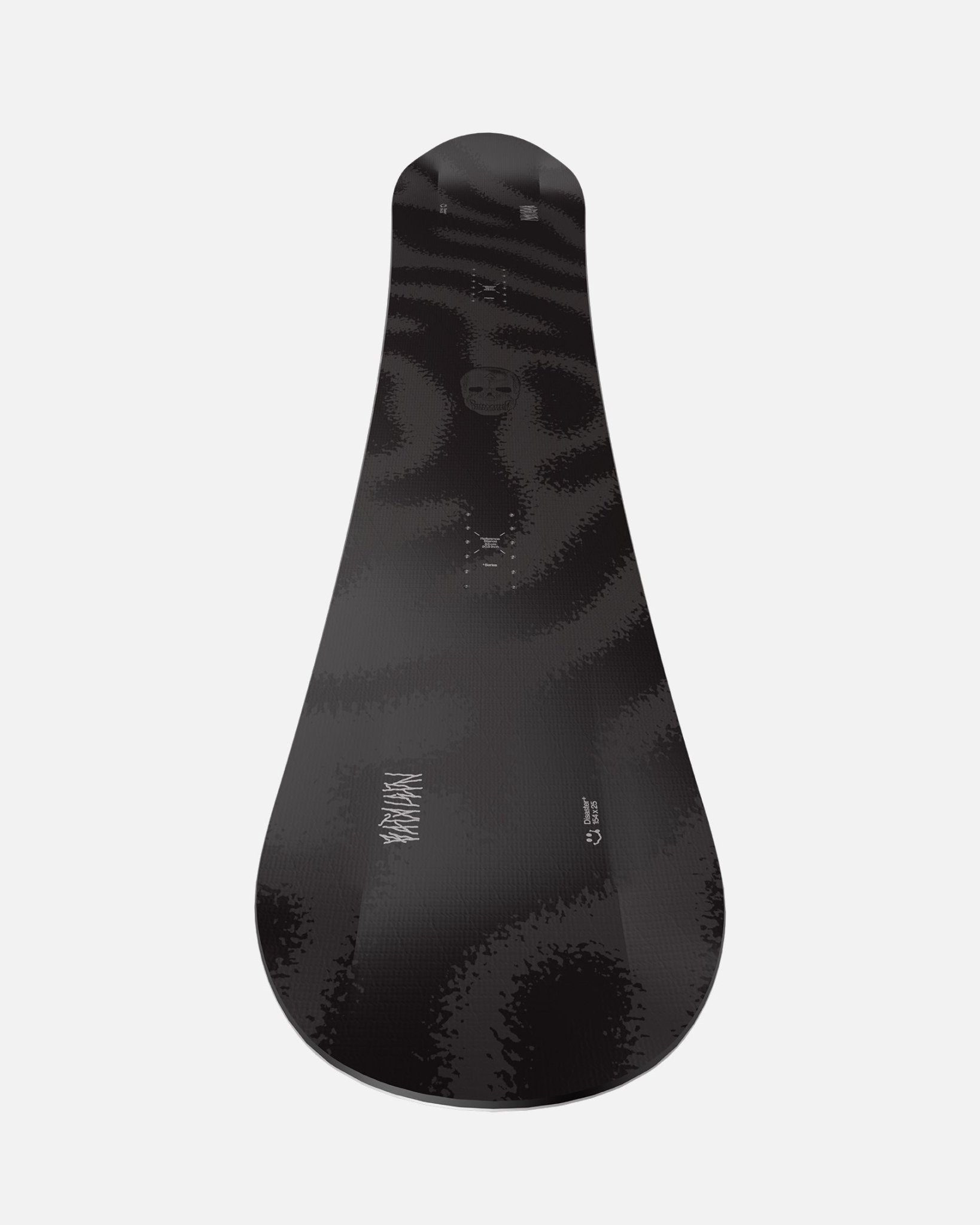
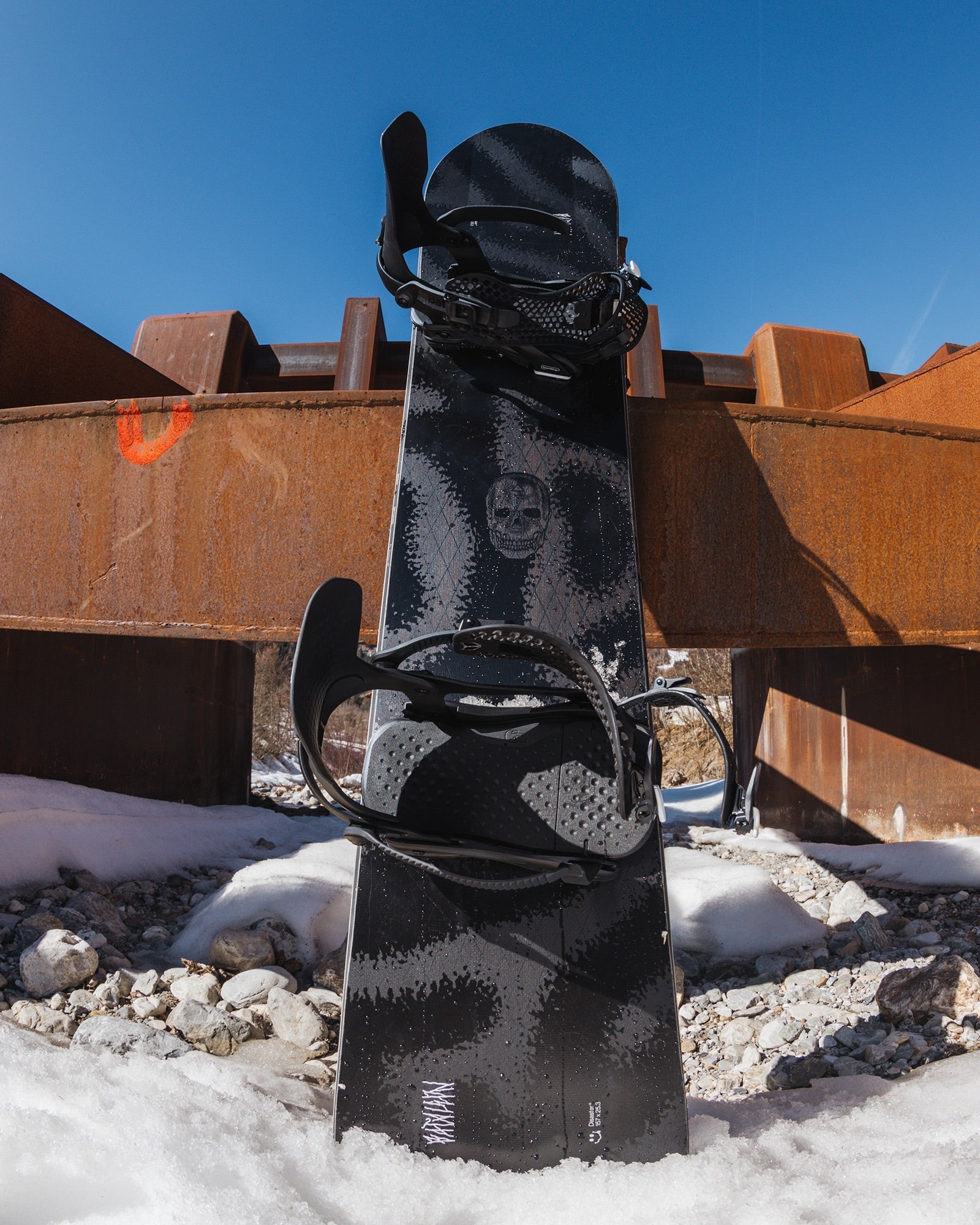
Disaster+ Snowboard
25/26 season
Colour
Color makeup
Solid
Design
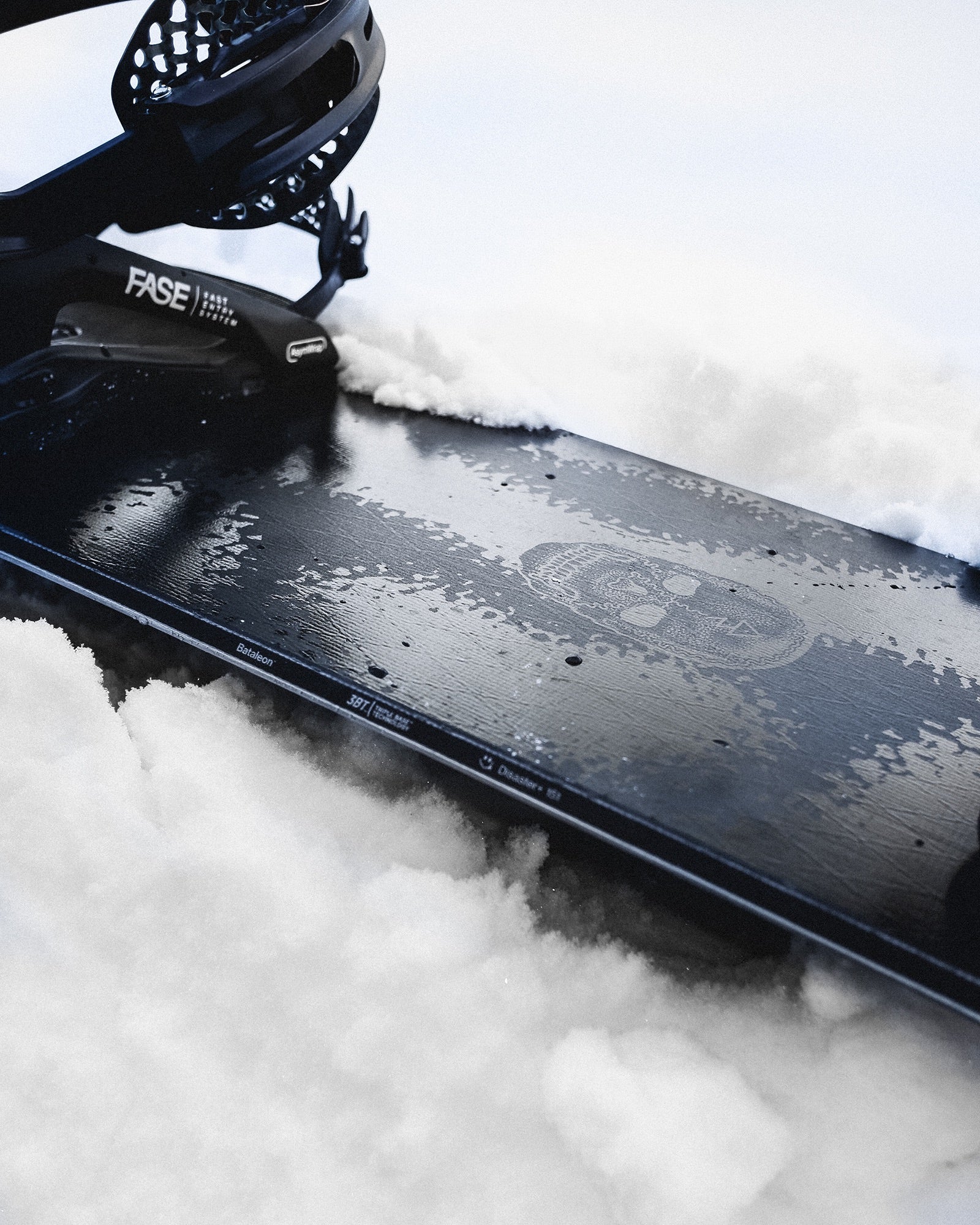
Illustration
Expert reviews 2
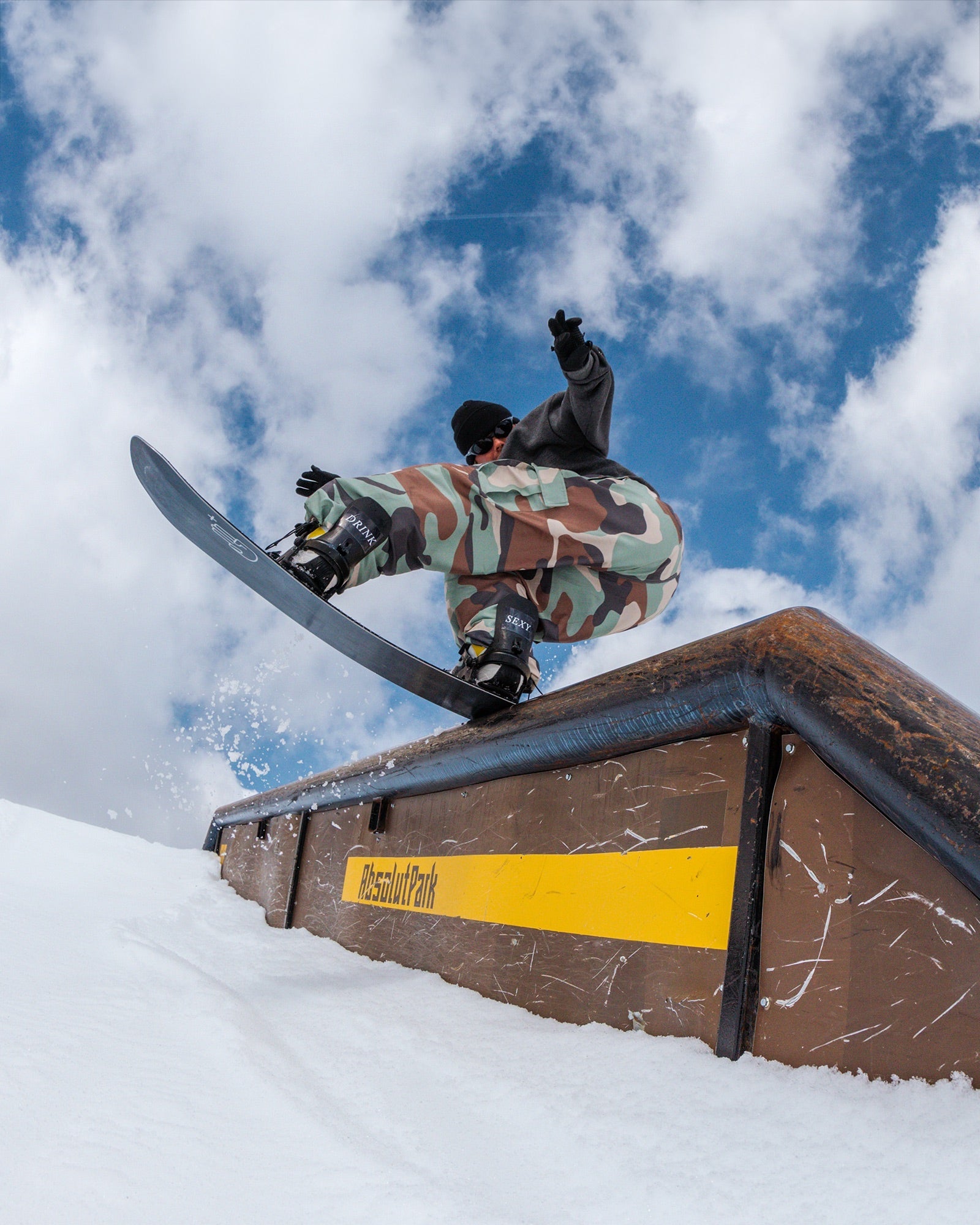
A park-specialised twin that became extremely soft after its redesign. It's outstandingly playful in butters and jibs, but its flex is far too weak for jumps and high-speed riding, which can create serious safety problems. It's an attractive option for lightweight jib kids, but riders with some experience will overpower it, making it dangerous instead — sizing up is strongly recommended.
Base shape (camber)
Hybrid camber
Built on low camber (a very mellow traditional camber) with 3BT (Three Base Technology) and Sidekick applied, so the contact points lift slightly into a spoon shape. It loads up smoothly and is easy to drive, but it has limits for power driving.
StiffnessHigher means stiffer
An extremely soft flex, softened further after the redesign. The tips in particular are very flexible and fold easily, and torsional flex twists very readily. There's almost no rebound or spring, and on jump transitions it simply folds rather than loading up.
Where it shines
Who it suits
A board specialised for lighter park riders who enjoy jibbing and buttering — the key criterion is riding style rather than level. For experienced riders it can actually be dangerously soft, and serious control problems arise on jumps, at speed and on variable terrain.
Good
- ✓Buttering and nose/tail presses are very easy, coming naturally from a roll alone with no separate pop
- ✓The sidecut is well tuned for short, tight carves and mellow carves inside the park
- ✓3BT lifts the contact points, so swizzles come easily on jibs with no edge catch
- ✓It gives lightweight jib riders an extremely playful ride
Not so good
- —The board doesn't load up on jump transitions and simply folds, which is very dangerous
- —It deflects badly and becomes uncontrollable at speed and in variable snow (ice chunks, slush)
- —Power carving is impossible, and driving it hard leads to skidding
- —Almost no rebound, making techniques that need pop difficult
- —Pressing too deep on jibs can hook the edge or drag the nose/tail on the ground
A park-specialised twin that became extremely soft after its redesign. It's outstandingly playful in butters and jibs, but its flex is far too weak for jumps and high-speed riding, which can create serious safety problems. It's an attractive option for lightweight jib kids, but riders with some experience will overpower it, making it dangerous instead — sizing up is strongly recommended.
Base shape (camber)
Hybrid camber
Built on low camber (a very mellow traditional camber) with 3BT (Three Base Technology) and Sidekick applied, so the contact points lift slightly into a spoon shape. It loads up smoothly and is easy to drive, but it has limits for power driving.
StiffnessHigher means stiffer
An extremely soft flex, softened further after the redesign. The tips in particular are very flexible and fold easily, and torsional flex twists very readily. There's almost no rebound or spring, and on jump transitions it simply folds rather than loading up.
Where it shines
Who it suits
A board specialised for lighter park riders who enjoy jibbing and buttering — the key criterion is riding style rather than level. For experienced riders it can actually be dangerously soft, and serious control problems arise on jumps, at speed and on variable terrain.
Good
- ✓Buttering and nose/tail presses are very easy, coming naturally from a roll alone with no separate pop
- ✓The sidecut is well tuned for short, tight carves and mellow carves inside the park
- ✓3BT lifts the contact points, so swizzles come easily on jibs with no edge catch
- ✓It gives lightweight jib riders an extremely playful ride
Not so good
- —The board doesn't load up on jump transitions and simply folds, which is very dangerous
- —It deflects badly and becomes uncontrollable at speed and in variable snow (ice chunks, slush)
- —Power carving is impossible, and driving it hard leads to skidding
- —Almost no rebound, making techniques that need pop difficult
- —Pressing too deep on jibs can hook the edge or drag the nose/tail on the ground