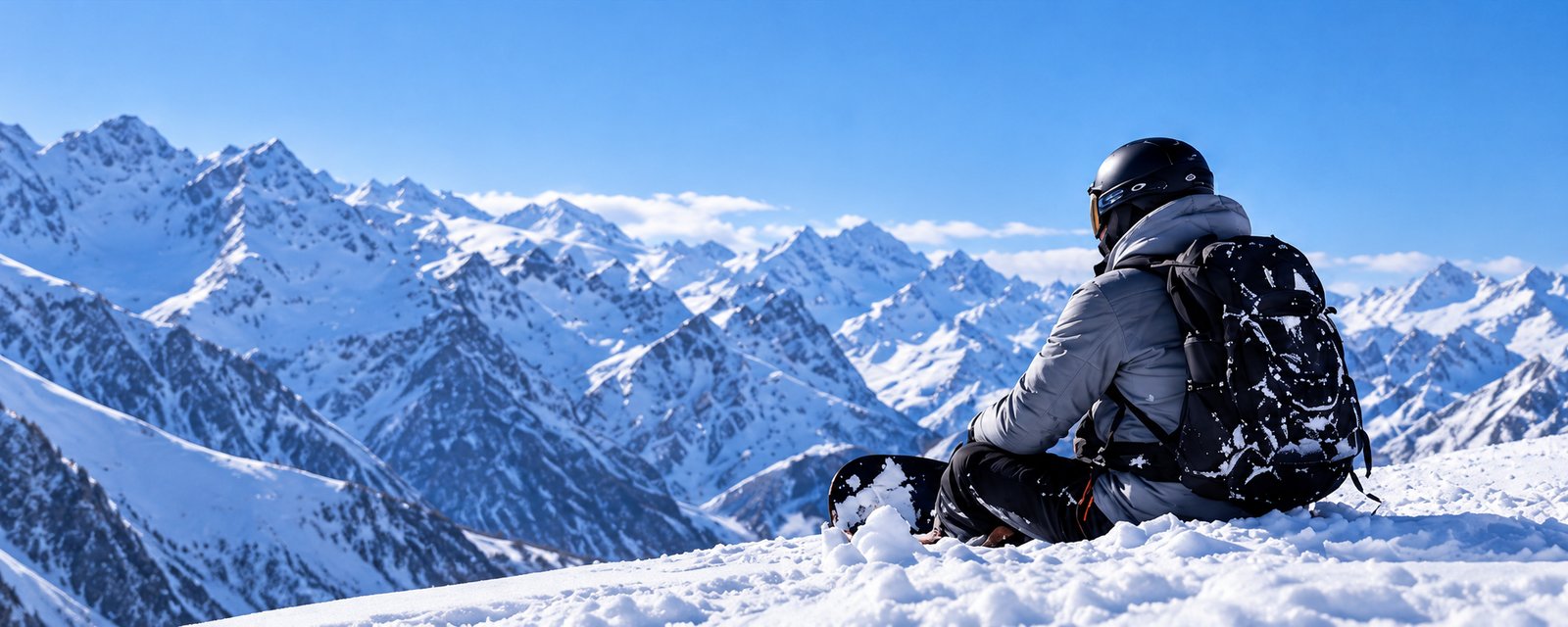
NITRO · Nitro Prime Chroma Cam-Out Snowboard
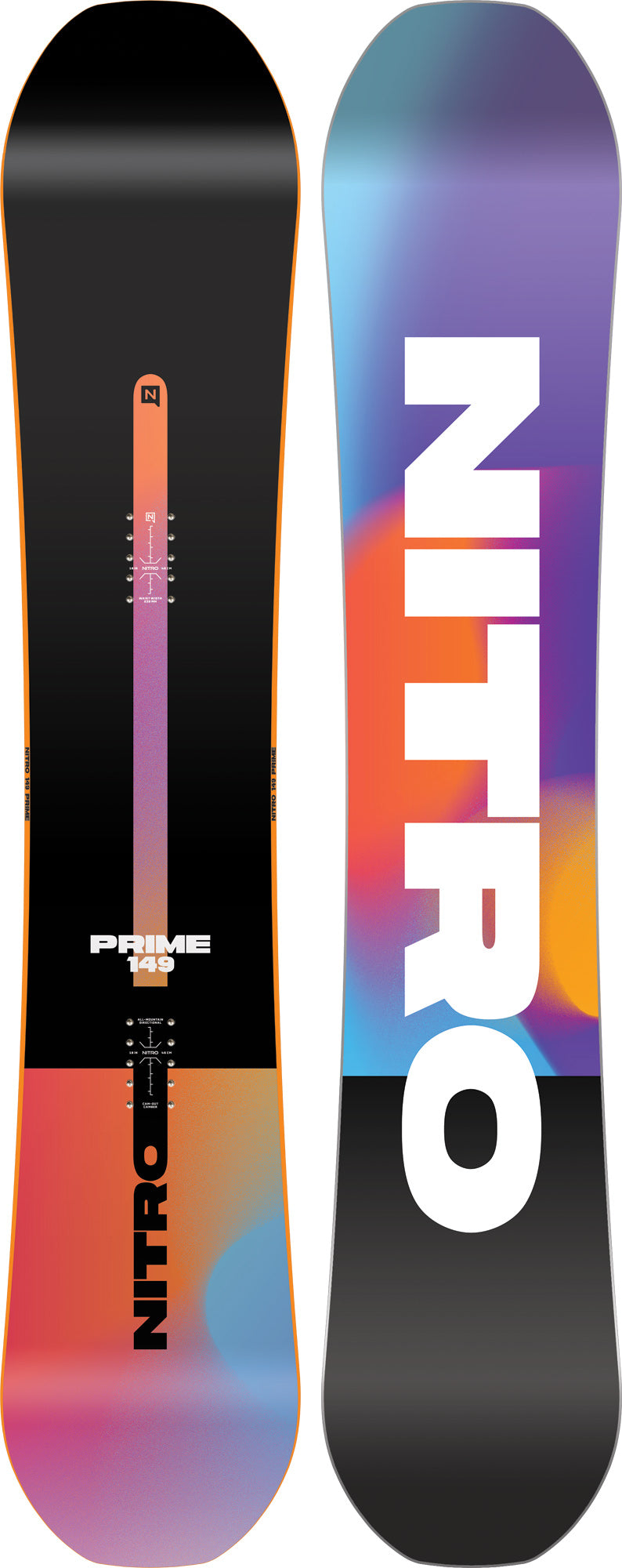
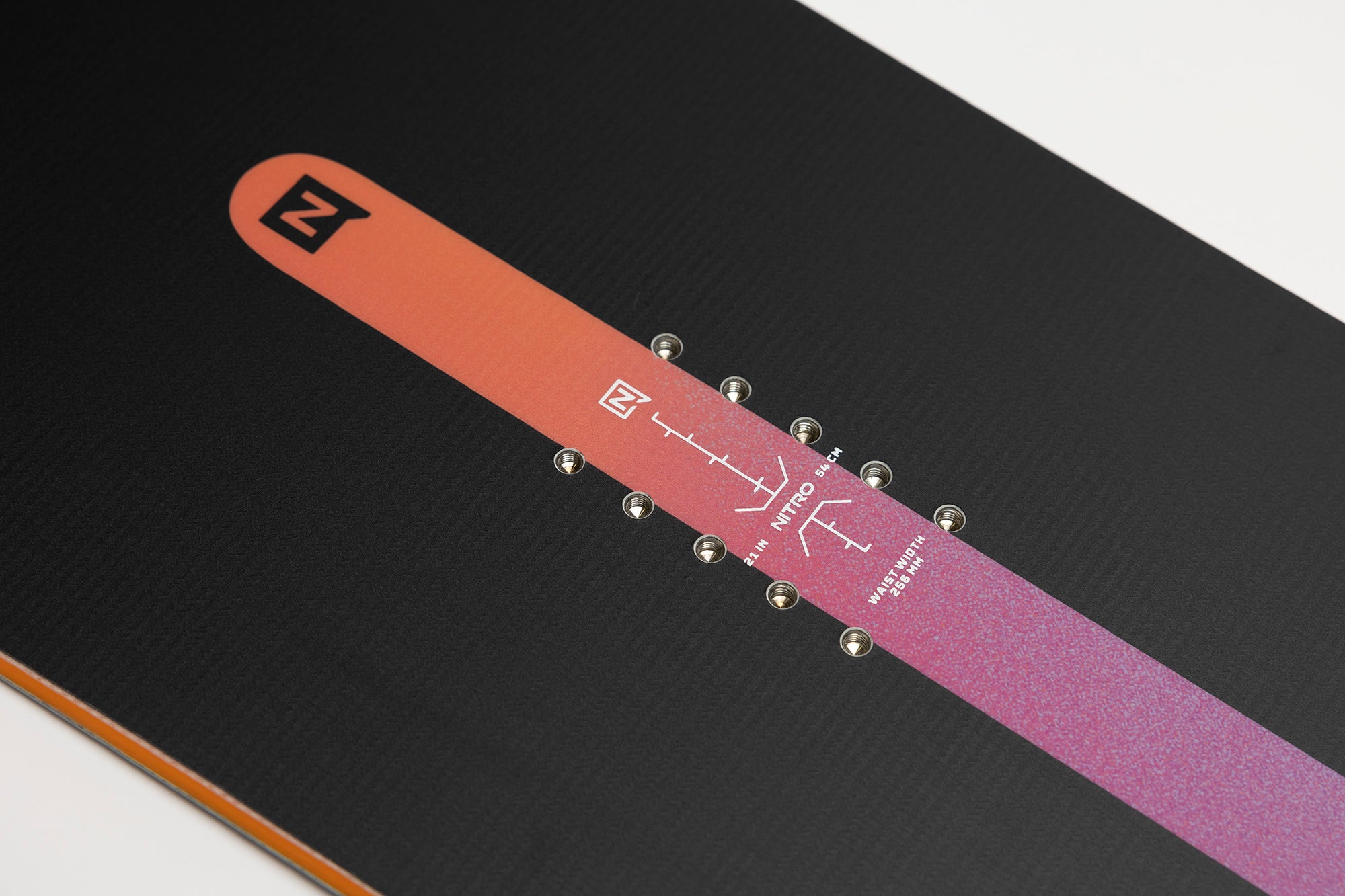
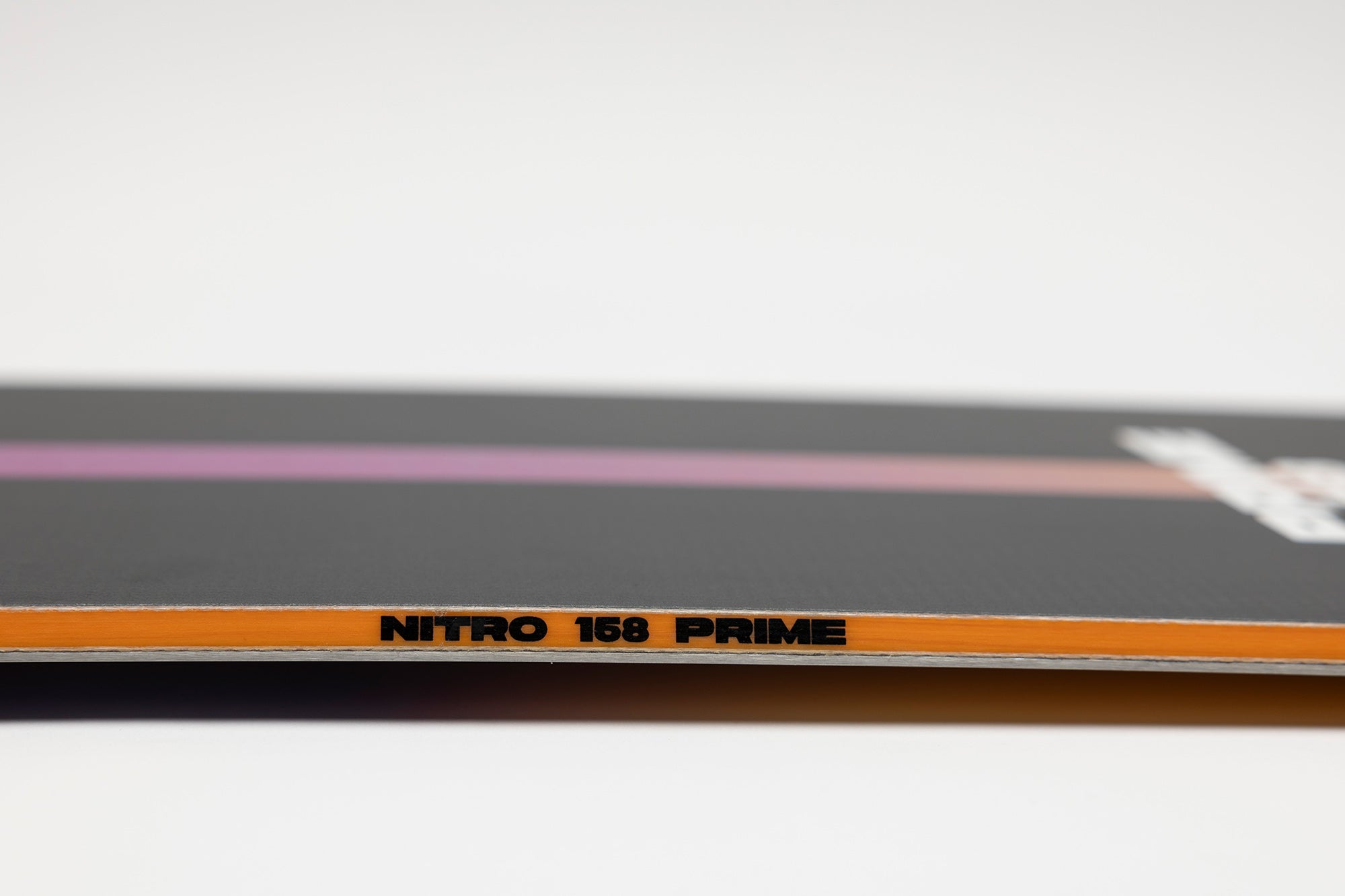
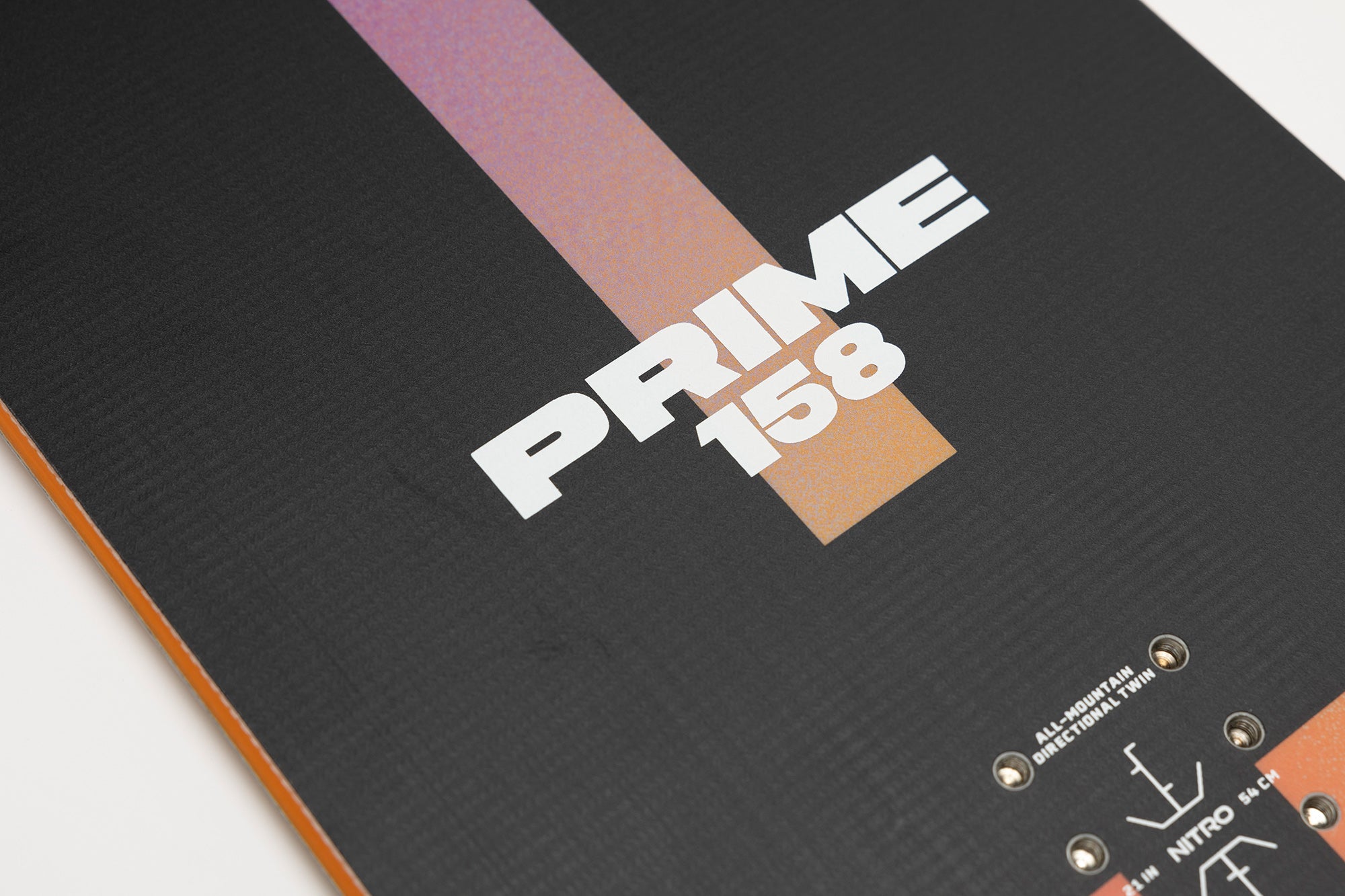
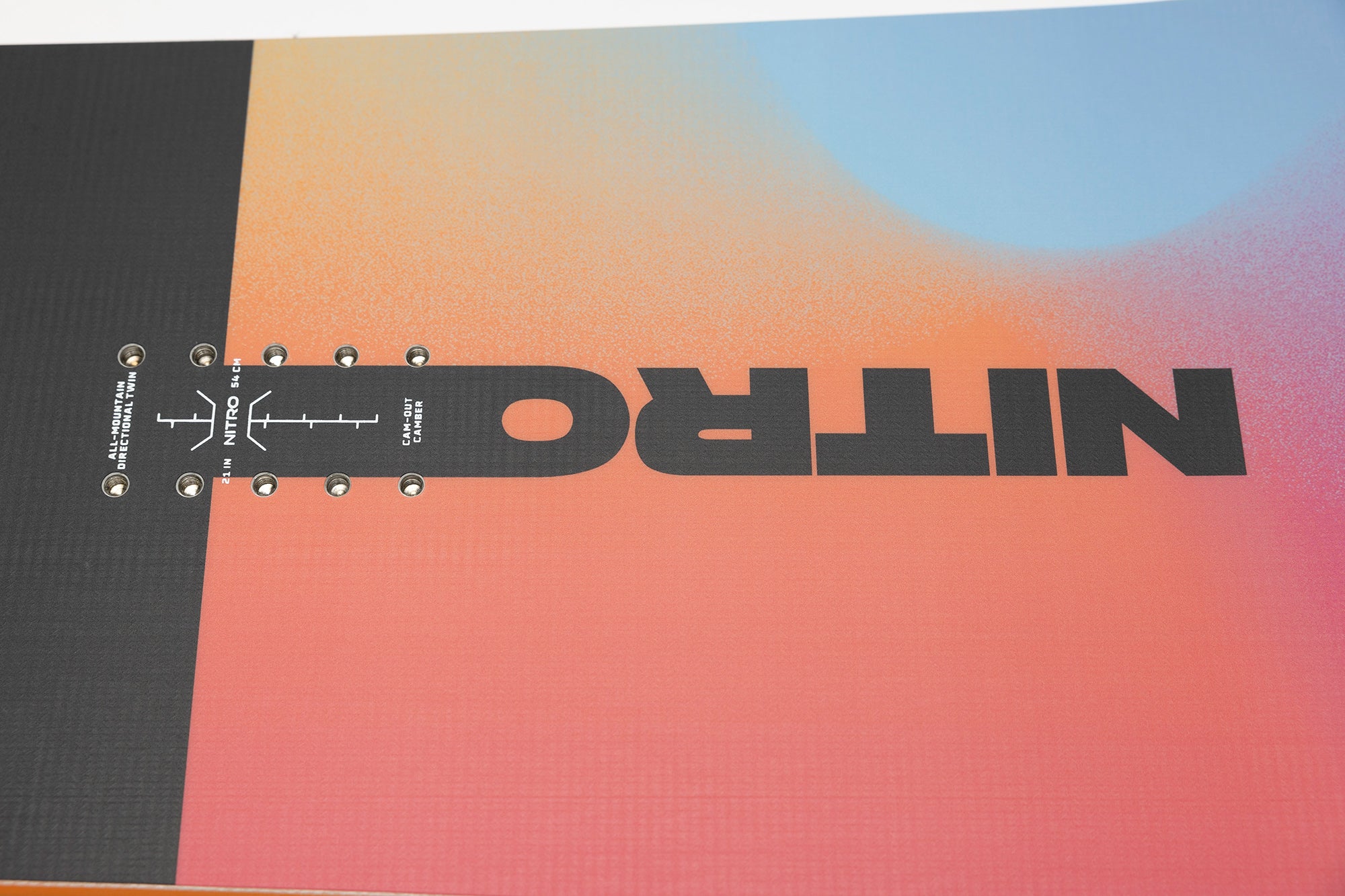
Nitro Prime Chroma Cam-Out Snowboard
25/26 season
Colour
Color makeup
Gradient
Design
Simple solid
Expert reviews 1
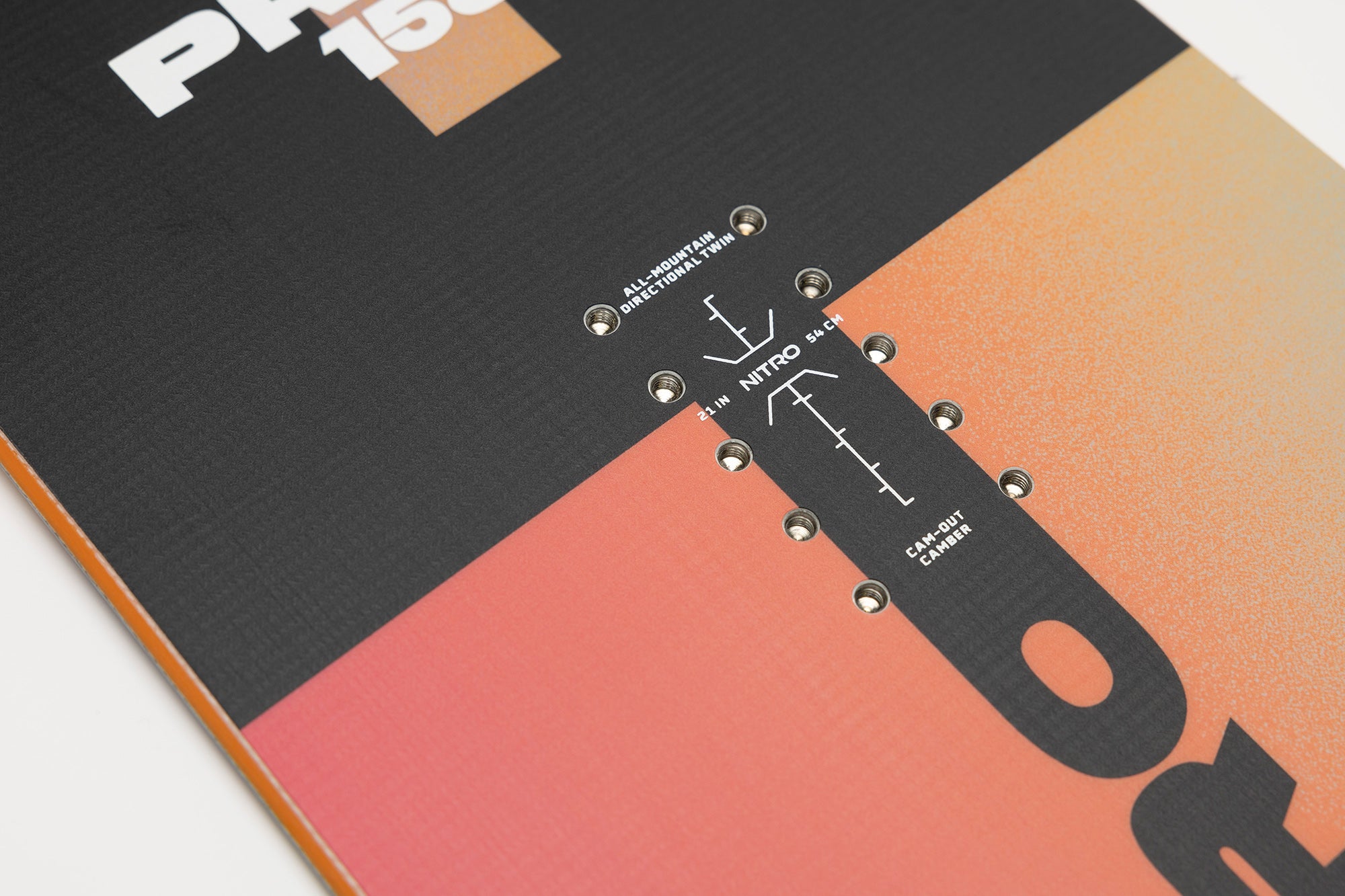
The Nitro Prime Chroma Cam-Out is a directional twin board applying Cam-Out camber (standard camber plus early-rise nose/tail), an all-mountain entry board usable broadly from beginners to advanced riders. A medium-stiff flex, a poplar core and a radial sidecut combine to deliver dependable performance across varied terrain including freestyle, groomer carving and powder. With solid technology concentrated at a reasonable price, it's an option that can grow with you over the long term as your skills improve.
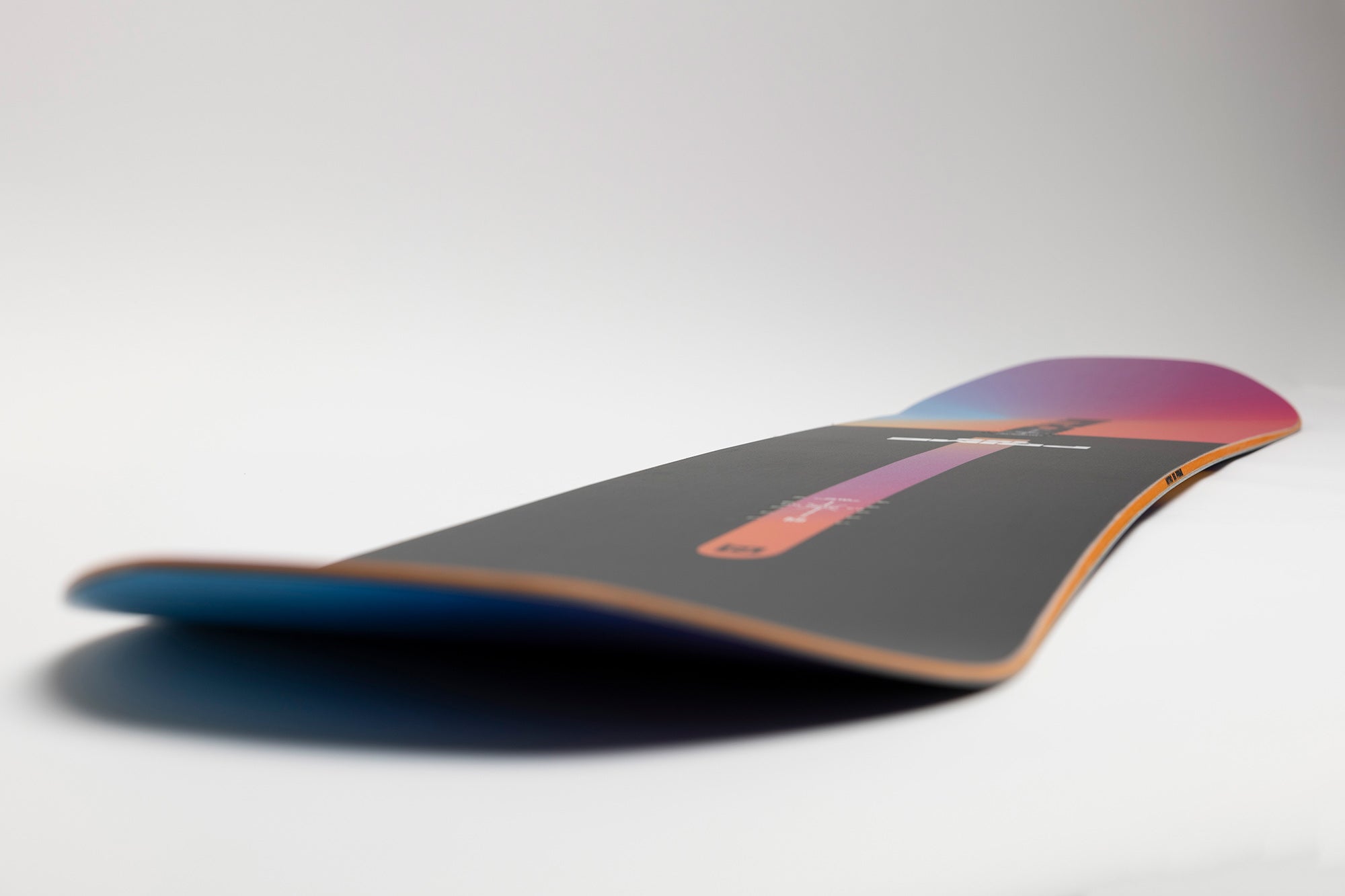
Base shape (camber)
Hybrid camber
A Cam Out camber profile: traditional standard camber underfoot beneath the bindings provides pop and support, while Early Lift rocker blended at the nose and tail tips supports powder float and forgiving riding — a hybrid camber layout.
StiffnessHigher means stiffer
An all-twin flex providing a medium-to-stiff level. It isn't harsh yet has ample responsiveness and snap, with a poplar wood core and Bite laminate reinforcing lively snap and response.
Where it shines
Who it suits
An entry-level board, yet standard camber underfoot lets it grow with you from beginner through intermediate to advanced. Early Lift at the nose and tail adds forgiveness and friendliness, lowering the barrier for beginners too.
Good
- ✓Cam-Out camber provides standard camber's pop and support alongside early rise's forgiveness and powder float at once
- ✓A directional twin shape and setback insert pack secure high-speed stability and powder float at once
- ✓The radial sidecut makes predictable, dependable edging and transitions easy
- ✓Various width options including standard, mid-wide and wide allow a choice matched to boot size
- ✓Advanced technology at a reasonable price point makes for excellent value
Not so good
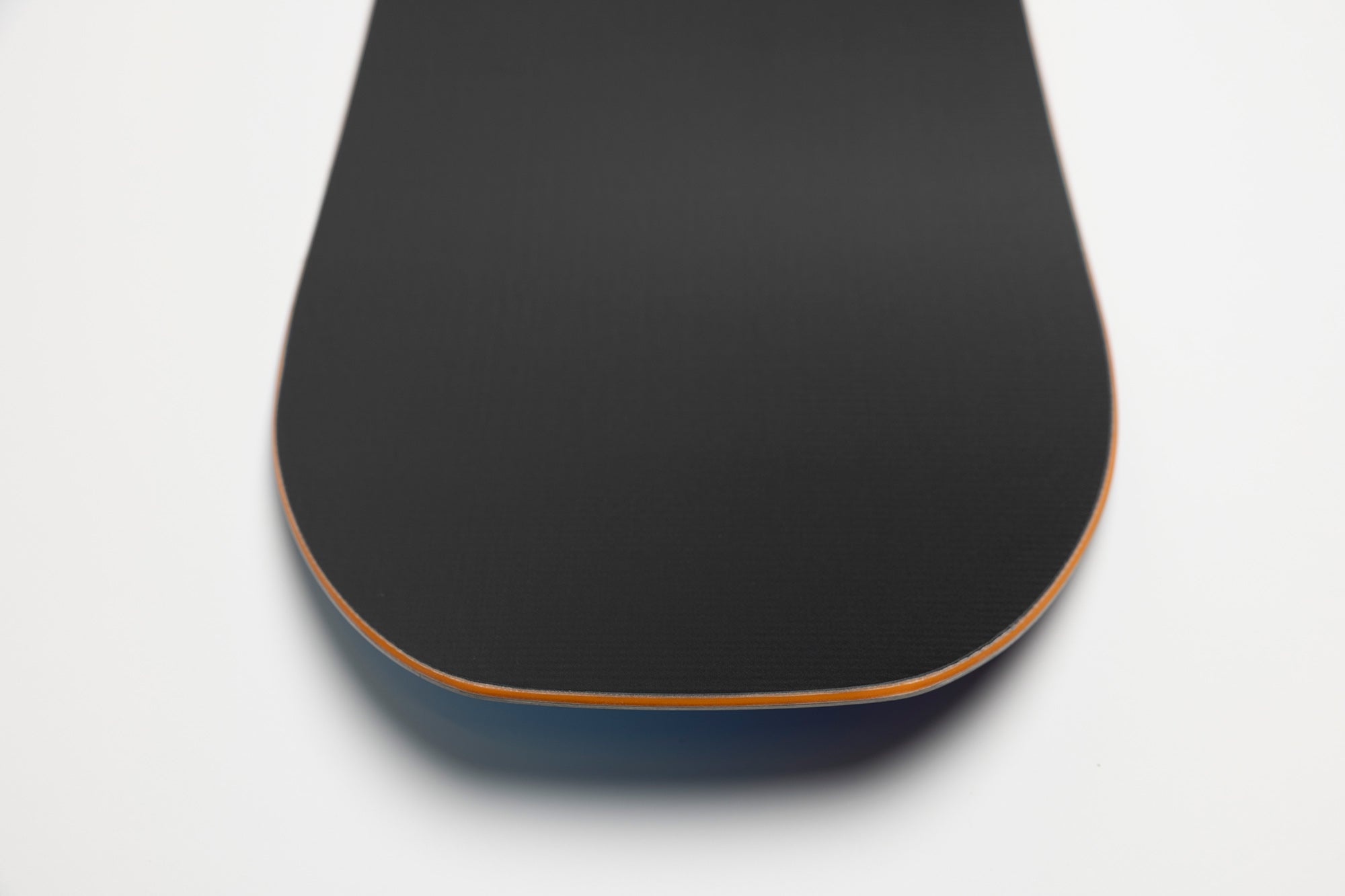
- —The extruded base is easy to maintain but has somewhat lower glide performance than a sintered base
- —Its entry-level positioning may impose performance limits for high-level advanced riders or extreme-terrain specialists