NITRO · Nitro Highlander Snowboard
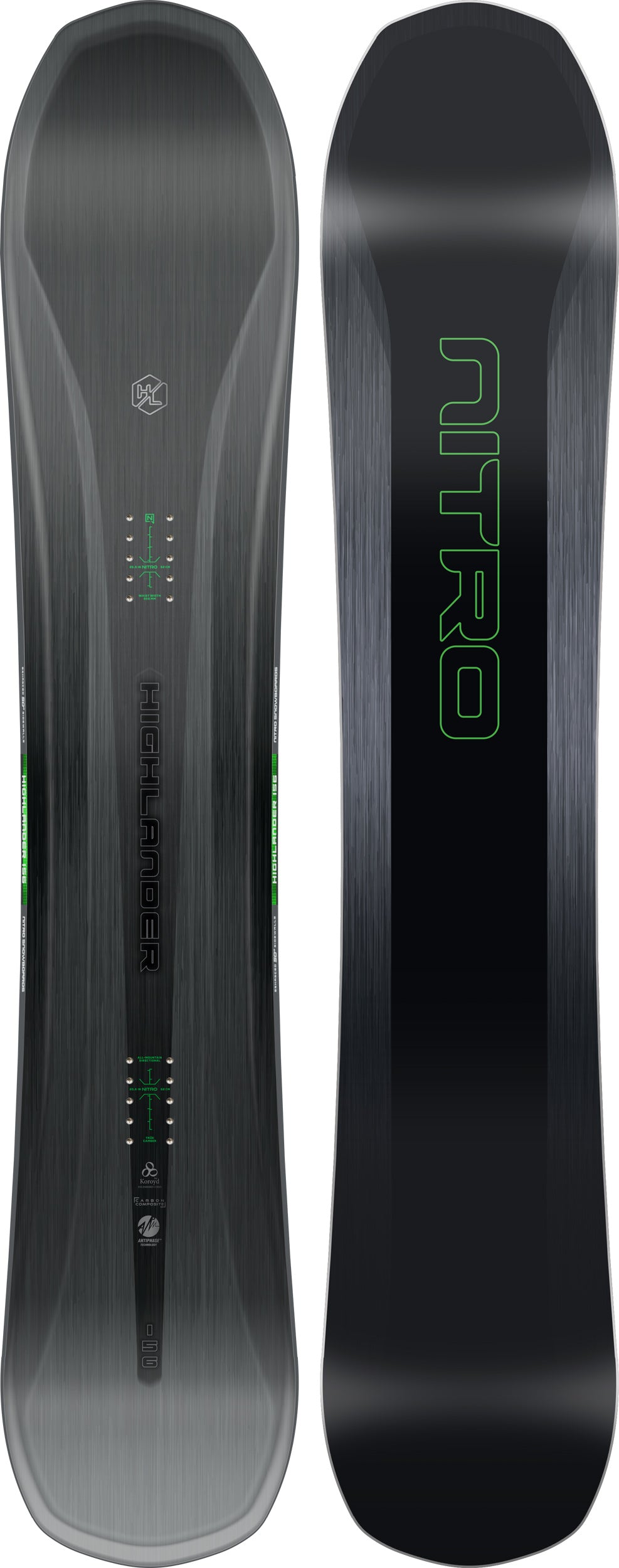
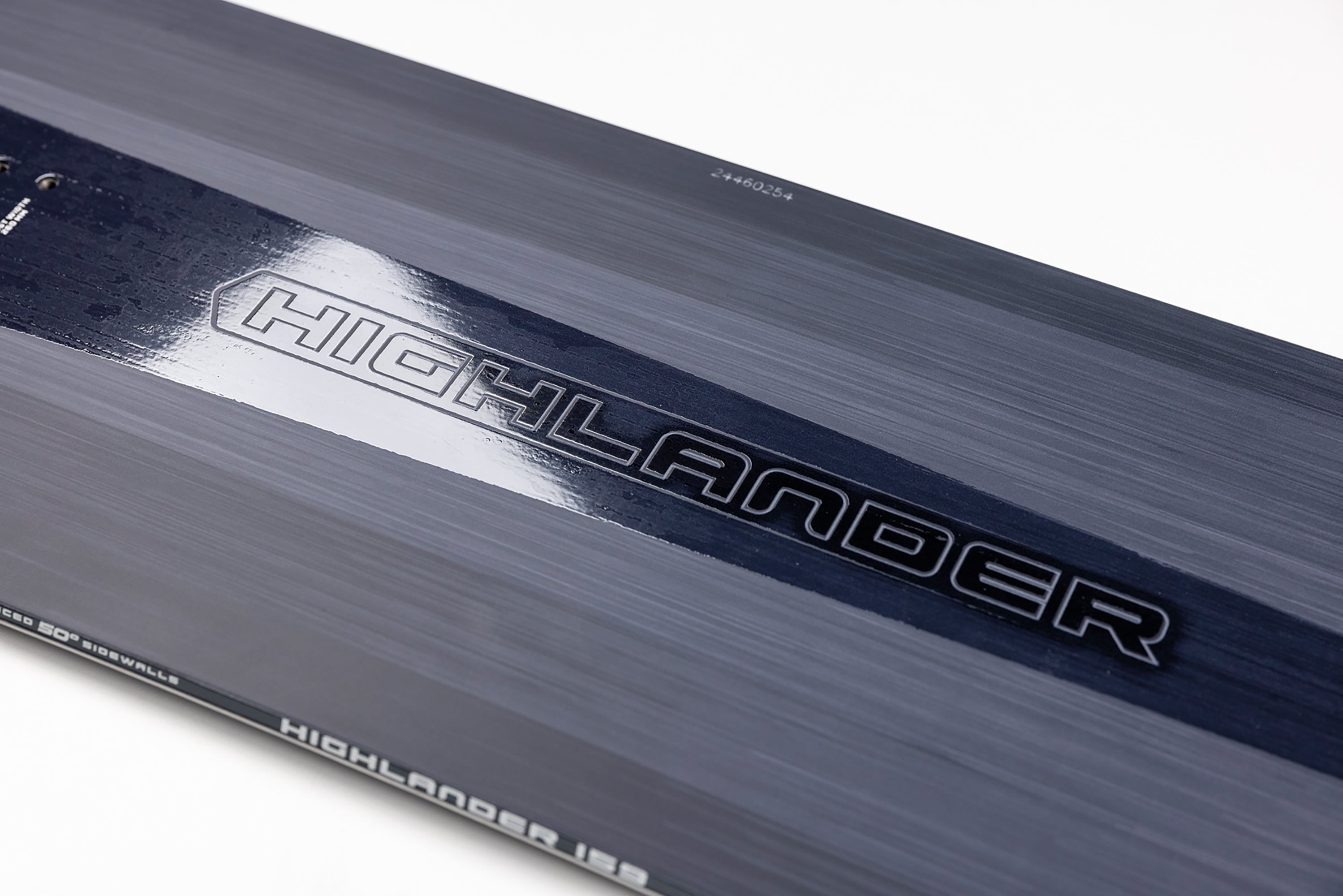
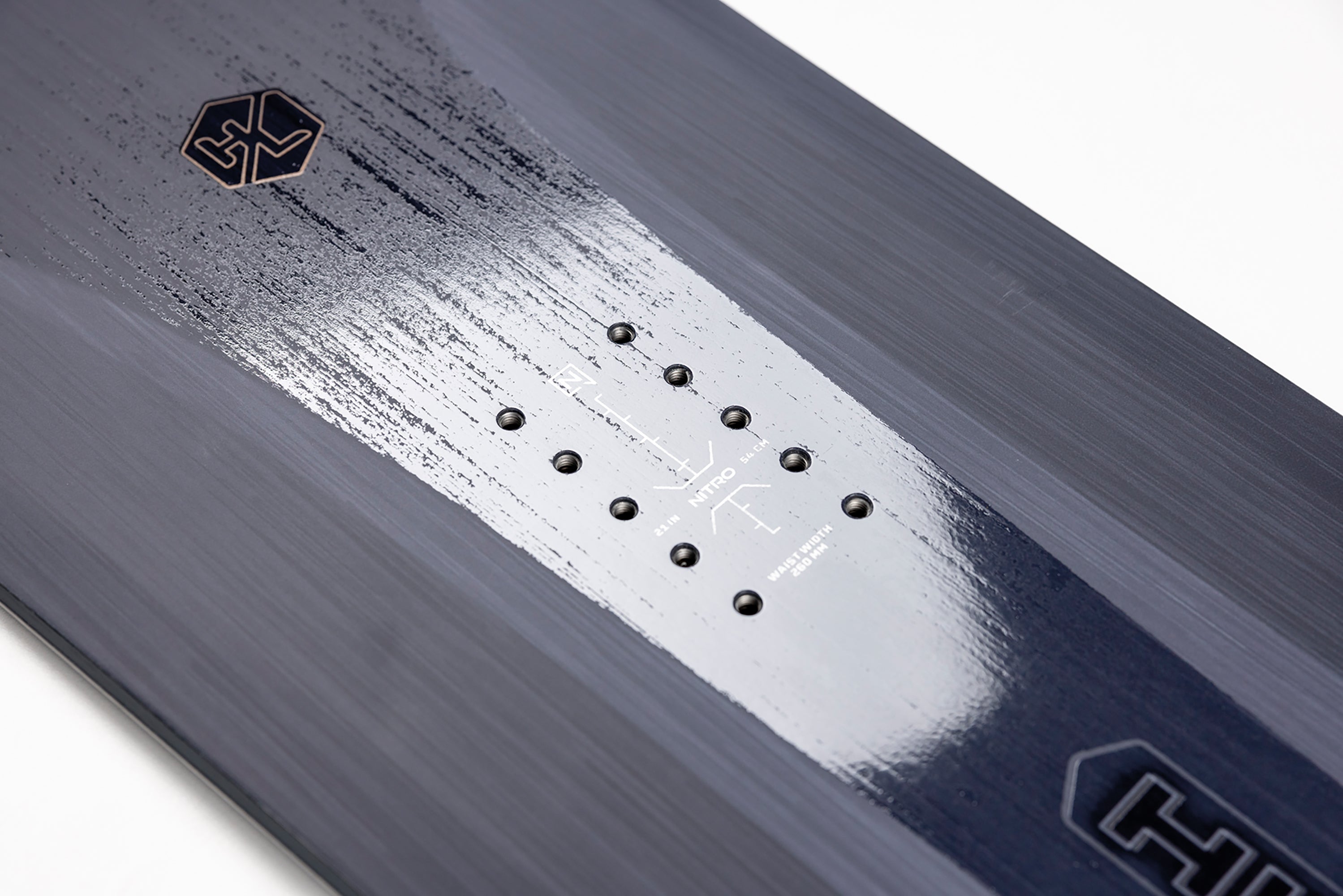
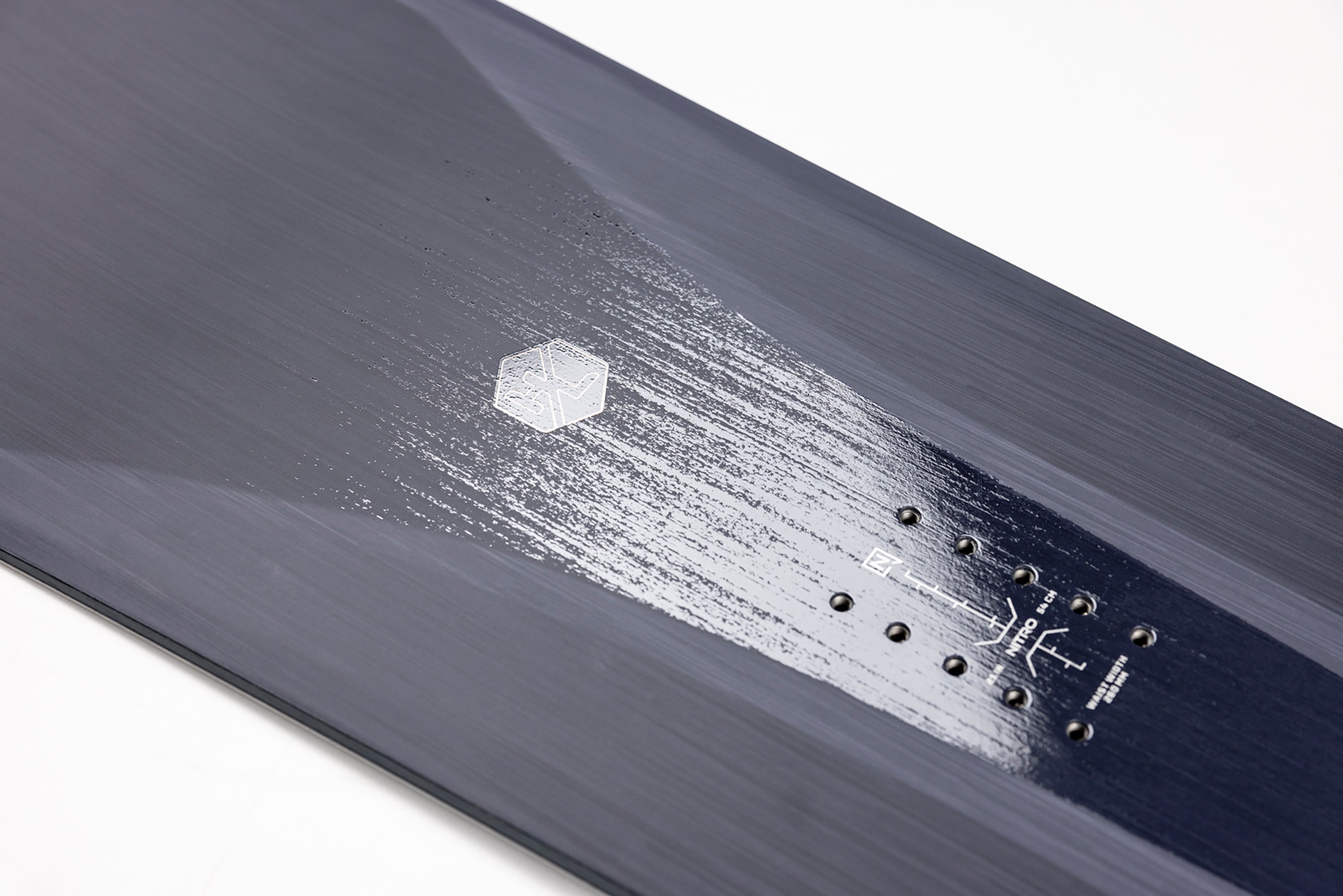
Nitro Highlander Snowboard
- Colour
- Grey · Black · Green
- Design
- Simple solid
Explore the reviews 2
See what external reviews say about this gear. You can also read each original source.
25/26 · 24/25 · 23/24 · 22/23 · 21/22 season review
The Nitro Highlander is a premium aggressive board adding carbon to traditional full camber. Carving and pop are excellent, but it has almost no forgiveness, making it strictly for technically solid advanced riders.
It's a board that bets everything on carving performance over versatility.
A closer look
These descriptions and scores are linked to this review. They may differ from manufacturer specifications.
Board profile
The profile describes the curve of the board when viewed from the side.
Camber
Traditional full camber with no detectable early rise. It's an authentic construction where the nose and tail lift slightly under load, and despite heavy carbon use, anti-phase damping suppresses chatter.
How stiff is it?Closer to 10 means stiffer. It does not mean better performance.
A medium-stiff flex at 8 out of 10. Pop is excellent, but it takes so much loading that an average rider will find it hard to draw out.
Terrain suggested in the review
Rider levels suggested in the review
Advanced
Advanced to expert only. It's so unforgiving that the reviewer states outright that intermediates shouldn't buy it, as they'll pick up bad habits and catch edges often.
What the review liked
- ✓Outstanding carving performance with dynamic response
- ✓Overwhelming pop when you load it properly
- ✓Little chatter thanks to Antiphase damping despite the large amount of carbon
- ✓Stable at speed without washing out
What the review found lacking
- —No forgiveness and catchy edges for riders short on technique
- —Only mid-wide sizes, tuned for US 10 and larger boots
- —The price is very high
- —Full camber makes powder float weak
25/26 season review
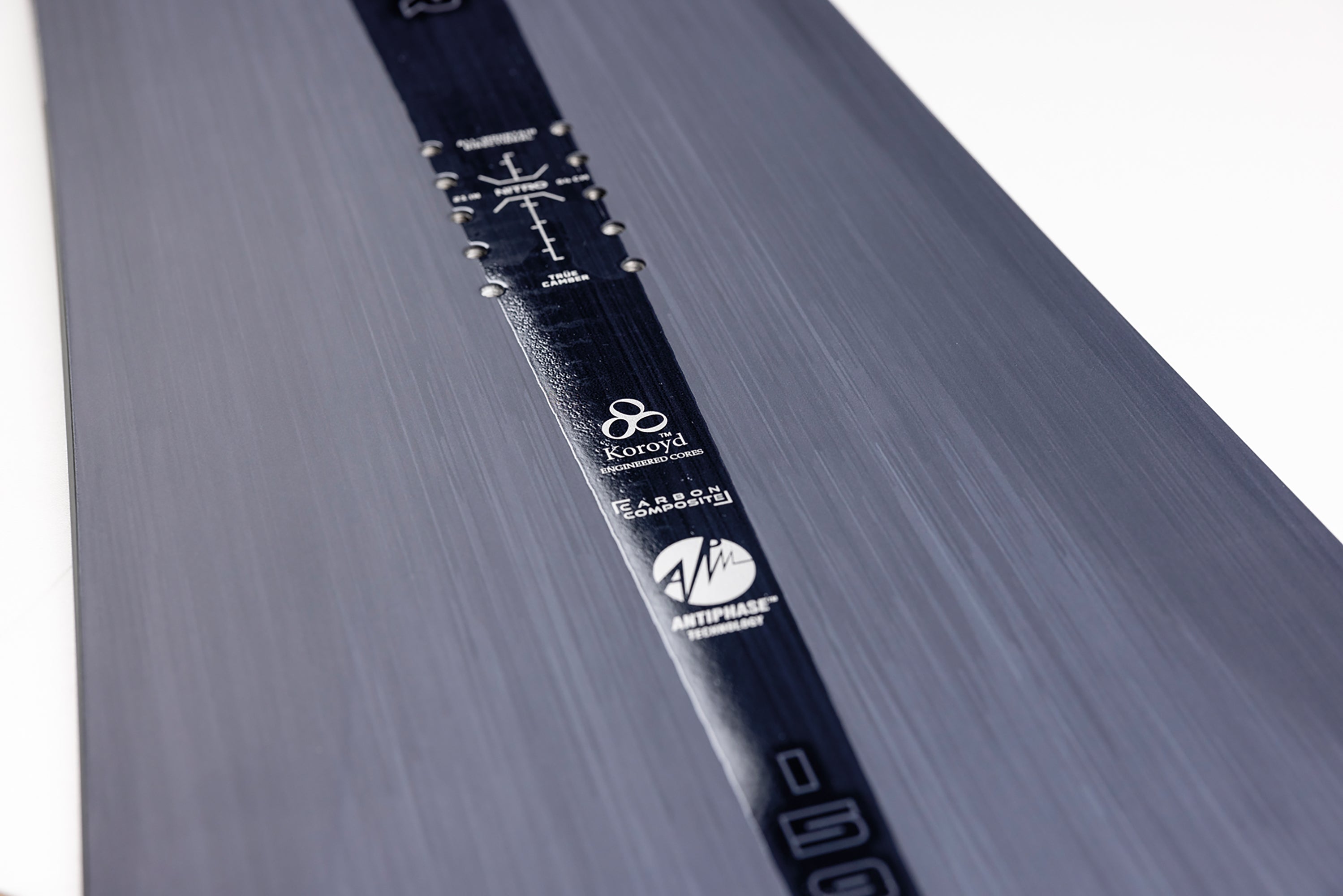
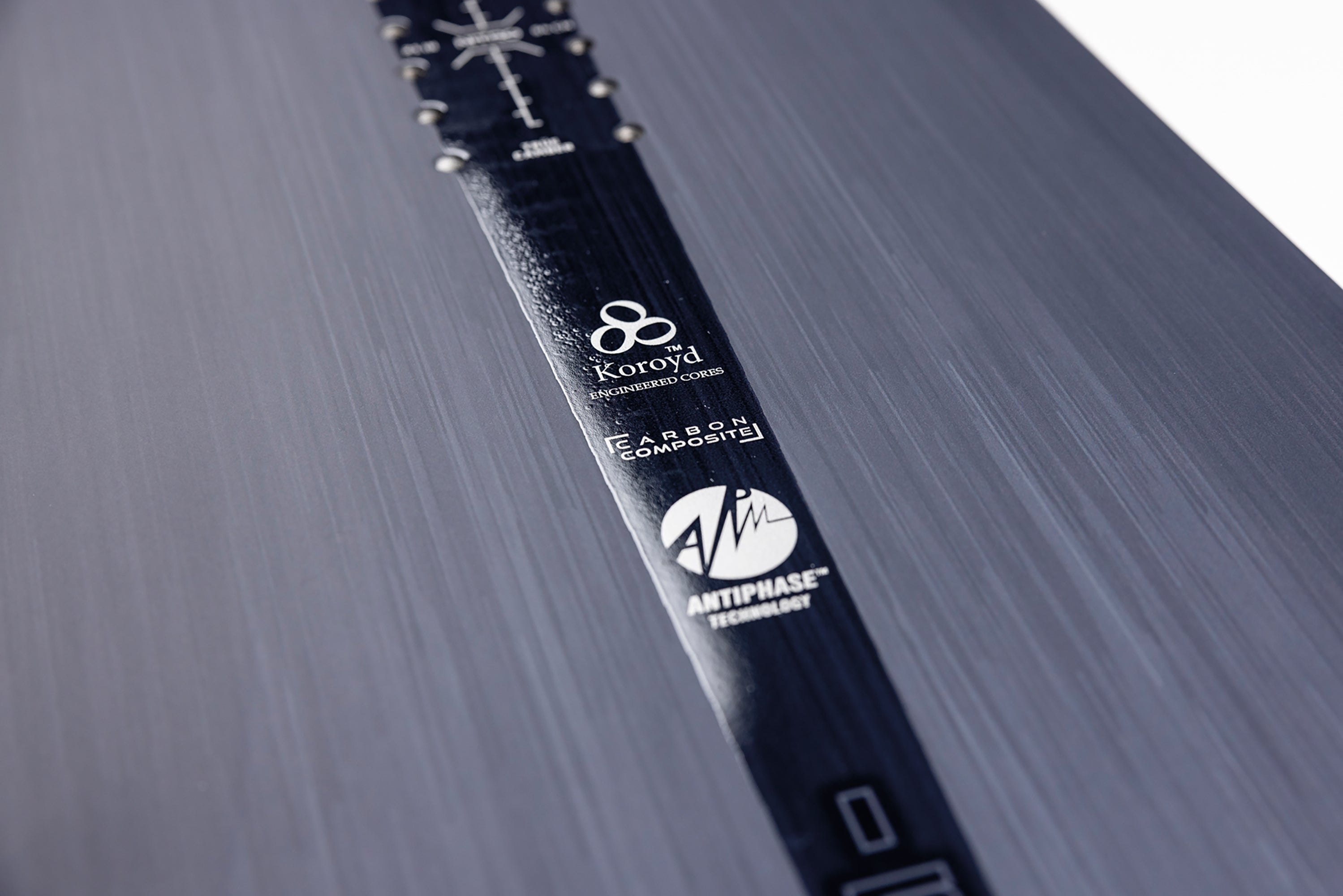
The Nitro Highlander 159 is an all-mountain performance board concentrating advanced technology including true camber, a progressive sidecut, a Koroyd core and Antiphase technology. Despite a hard flex rated 8, excellent torsional flex and vibration absorption keep fatigue low and riding stable even in rough snow.
It's a board well worth recommending to intermediate and advanced riders who want high performance across all terrain including powder, carving, park and groomers.
A closer look
These descriptions and scores are linked to this review. They may differ from manufacturer specifications.
Board profile
The profile describes the curve of the board when viewed from the side.
Camber
Nitro's True Camber is applied. It maintains a traditional camber profile across the entire running length from the contact points, with no rocker, early rise or flat sections — a pure traditional camber construction.
How stiff is it?Closer to 10 means stiffer. It does not mean better performance.
Rated 8 on Nitro's flex scale, so on the hard side. Core profiling, though, tunes the torsional flex comparatively soft and playful. It provides strong ollies off the tail and powerful turn drive.
Terrain suggested in the review
Rider levels suggested in the review
Intermediate · Advanced
A hard board rated 8 on the flex scale with a performance-focused design. Traditional camber and a progressive sidecut suit intermediate and above riders with some skill, and beginners may find it hard to handle.
What the review liked
- ✓True camber plus a progressive sidecut gives it excellent edge hold and carving performance
- ✓Advanced materials including a Koroyd Power Core, Antiphase technology and carbon laminate make it ultralight with excellent vibration absorption and stability
- ✓Nitro's top-tier base material (Sintered Speed Formula 2) gives it high durability and speed performance
- ✓An all-mountain directional shape and mid-wide width let it handle varied terrain including powder, groomers and tree runs
What the review found lacking
- —A flex rating of 8 can be demanding for beginners or riders who prefer a softer board
- —Performance-focused high-end design suggests a high price point, which can limit accessibility